
Powering real-time facial expressions into moving 2D avatars with high-precision C++ code
Engineered and integration-tested high-performance C++ code behind a desktop facial tracking application, empowering content creators and virtual streamers to animate illustrated 2D character models with natural facial expressions and gesture controls.
PROJECT OVERVIEW
Field | Content |
Client | A company that develops technology for animating illustrated characters |
Market | Japan |
Industry | Entertainment & Media |
Engagement Model | Development and integration testing engagement |
Scale and Duration | A focused engagement covering the coding and integration testing of a facial tracking application |
Core Technology Stack | C++ |
ABOUT THE CLIENT
This case study is based on a real VNEXT project. The client's identity and certain project details have been anonymized or generalized for confidentiality purposes.
Our customer develops technology that lets illustrators turn a flat, drawn character into one that moves, blinks, and smiles. Its tools are used by artists, streamers, and creators who want a character that feels alive rather than a still picture. One of the ways it reaches those people is through its own facial tracking application, which lets anyone put a character on screen and have it follow their expressions. Exact financials are withheld for confidentiality.
THE CHALLENGE
A facial tracking application asks a lot of its software in a very short space of time. It has to read a face, interpret an expression, and move a character in response, and the whole chain has to feel instant, because a character that reacts a moment late stops feeling like the user. For an application whose entire appeal is that feeling, tracking performance is the product.
There is a second, quieter demand. People who use a tool like this are often creative rather than technical, and they expect it to just work. A good application needs to offer enough choice and control to be fun, with different characters, different looks, and gestures that do something, and still stay simple enough for a first time user to start in moments.
PROJECT OBJECTIVE
Our customer wanted a facial tracking application that anyone could pick up: a set of high quality characters to choose from, the ability to customize them, strong tracking performance, and gesture based control. It needed our team to turn that vision into dependable C++ code and to prove, through integration testing, that the pieces worked together.
APPROACH AND METHODOLOGY
Building to a design the customer owns
The product vision, the characters, and the experience came from our customer, who knows its creators best. Working in a structured, stage by stage process, our team took the customer's requirements and turned them into code, confirming our understanding along the way so that what we wrote matched what had been designed.
Testing the pieces together, not just on their own
Integration testing was part of our scope from the start, and a dedicated tester worked alongside the developers throughout. In an application where tracking, character models, customization, and gestures all depend on one another, a feature that works alone can still fail in combination, so our team treated verifying the whole as seriously as building each part.
A small team with clear roles
Our team kept to a clear division of work: a team lead guided the technical direction and the quality of the user experience, developers wrote the implementation, and the tester documented what they found. With each role well defined, it was easy for everyone to know what they owned.
TEAM SCALE
Our team for this engagement was small and close, built around the work in front of it.
- Team lead: guided the technical approach and kept the quality of the user experience in view
- Developers: wrote the C++ implementation
- Tester: created test cases, ran integration tests, and reported defects clearly
THE SOLUTION AND TECHNOLOGY STACK
The application brings together everything a creator needs to get a character moving, in a form that is quick to learn.
What the application offers
- A choice of characters: lets users pick from ten high quality models that mirror their expressions
- Model customization: lets users adjust their chosen model to make it their own
- Enhanced tracking performance: keeps the character's response to the user's face quick and smooth
- Gesture control: lets users trigger actions with gestures
Technology Stack
Layer | Technology / Platform Used |
Language | C++ |
Process | Structured, stage by stage delivery with integration testing |
THE RESULTS
A face on one side of the screen and a character on the other, with software in between that makes the connection feel natural.
- Characters that follow the person: ten high quality models mirror a user's expressions, which turns a drawn character into something that reacts
- Room to make it personal: customization lets creators shape a model so it feels like theirs rather than a shared default
- A focus on responsive tracking: enhanced tracking performance is part of what the application offers, because a character that lags behind its user loses the effect
- Interaction beyond the keyboard: gesture control gives users another way to drive the character as they use the application
- A whole that was tested as a whole: integration testing covered how the parts behave together, not only how each one behaves alone
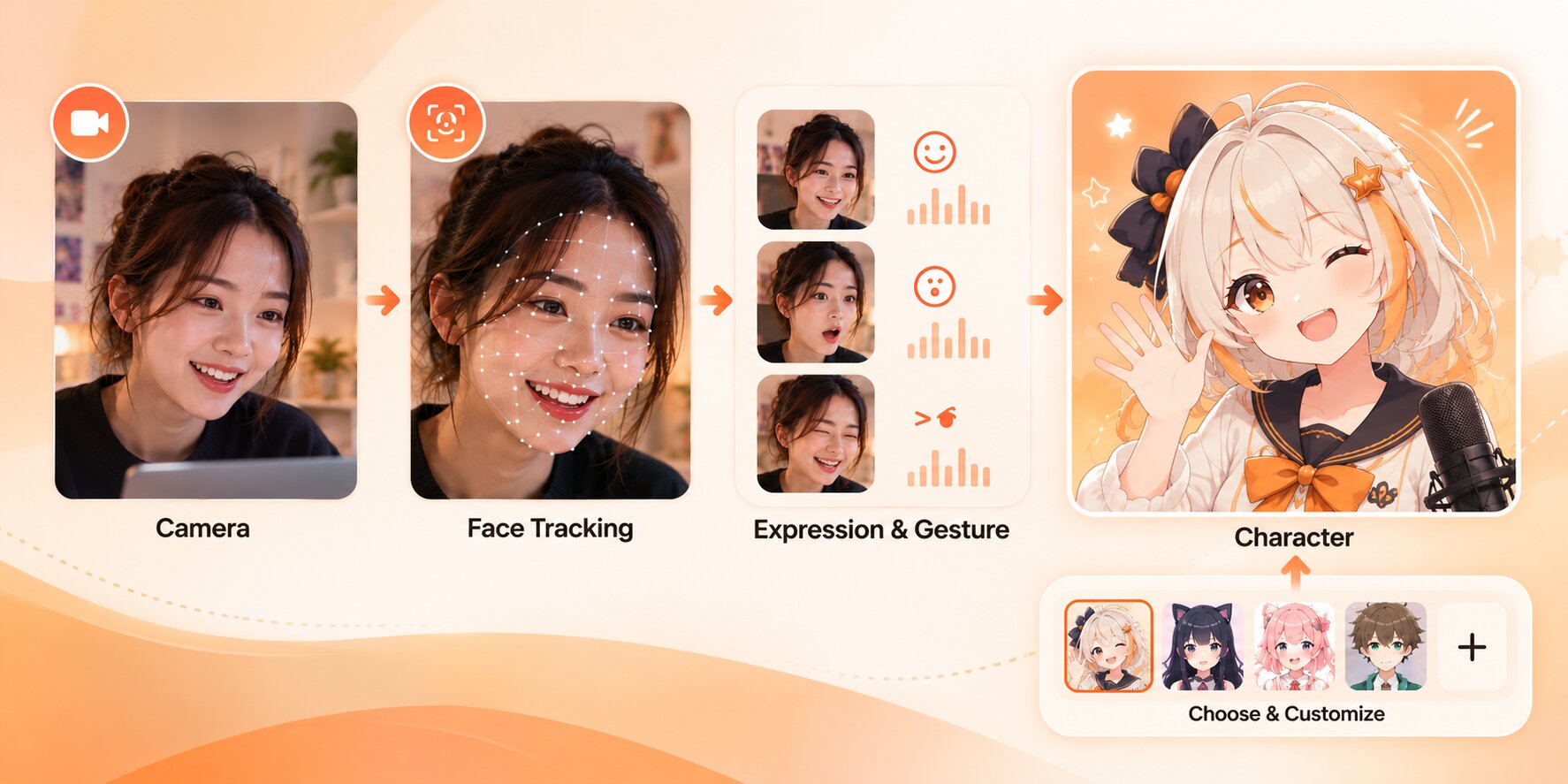
For a customer whose products depend on delight, the best software is the kind that disappears, and an application that lets a person simply smile and see their character smile back is the clearest example of that.
You may also like
-
Building a data-dense financial analytics frontend directly against a client-developed API
-
Turning smartphones into remote controls for a nationwide network of self service kiosks
-

Keeping one enterprise messenger seamless across four native platforms
-
Measuring project carbon emissions across materials transport and on-site machinery on a unified web platform
-
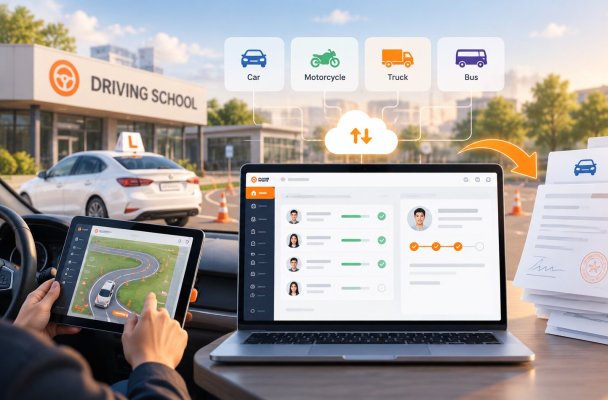
Replacing paper-heavy training records with a unified cloud platform for driving schools
-

Turning a Legacy Showroom into a 24/7 Global Car Marketplace & Auction Engine
-
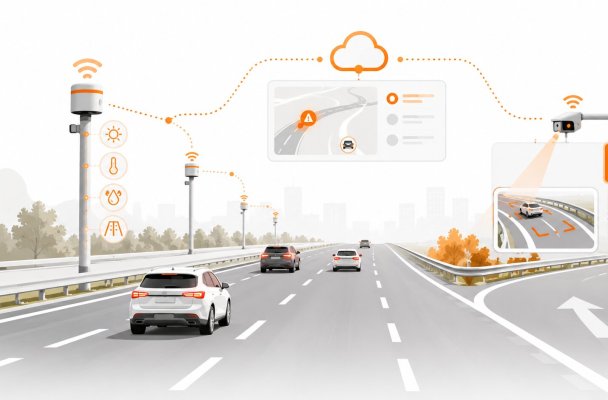
Connected IoT sensor network prevents road hazards on Japanese highways in real time
-
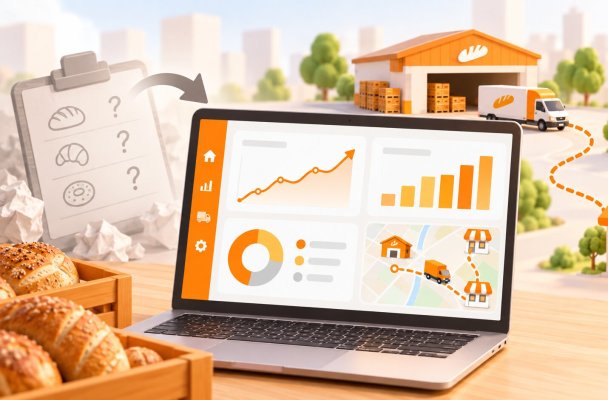
Bakery distributor eliminates manual stockouts and surplus with data-driven demand forecasting
-
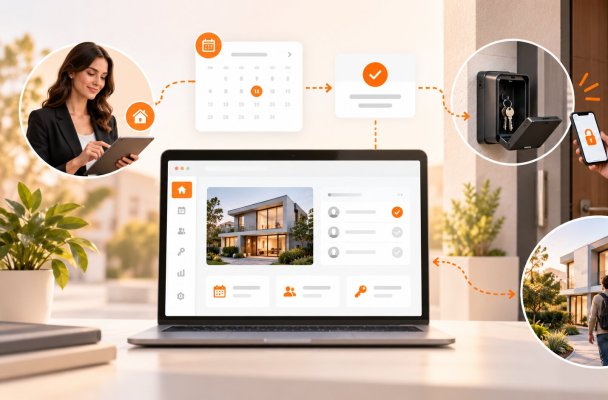
Security hardware company eliminates manual key handoffs with smart property access

Let's talk
Ready to get results?
Our team is here to help.